 Syncgate
Model call management, plus
company knowledge and control
A typical LLM gateway connects and logs model calls. In the same gateway, Syncgate also connects company knowledge, applies guardrails, controls coding tools and runs the work itself.
| Typical LLM gateway | Syncgate | |
|---|---|---|
| Model connections | ✓ | ✓ 23 providers |
| Token and cost control | ✓ | ✓ Limits · budgets |
| Monitoring | Call logs | Traces · quality evaluation |
| Company knowledge+α | – | 38 document sources · knowledge graph · document permissions |
| Guardrails+α | Partial | 13 enforcement points · block · pseudonymize |
| Coding tools+α | – | 11, including Claude Code and Codex |
| Doing the work+α | – | Agents · harnesses (result files) |
| Team use of individual AI workflows, without a command line+α | – | Pick a harness in chat, and share it with Use, Read or Edit permission |
| Adding company data, security and logging to existing agents+α | Limits and logs for model calls | Company data within each user's permissions · guardrails · limits · logs |
The comparison is with typical approaches and does not refer to any specific company's product. For a comparison by deployment type, see Self-hosted and SaaS compared.
What sets Syncgate apart
Features that are usually hard to find in other approaches.
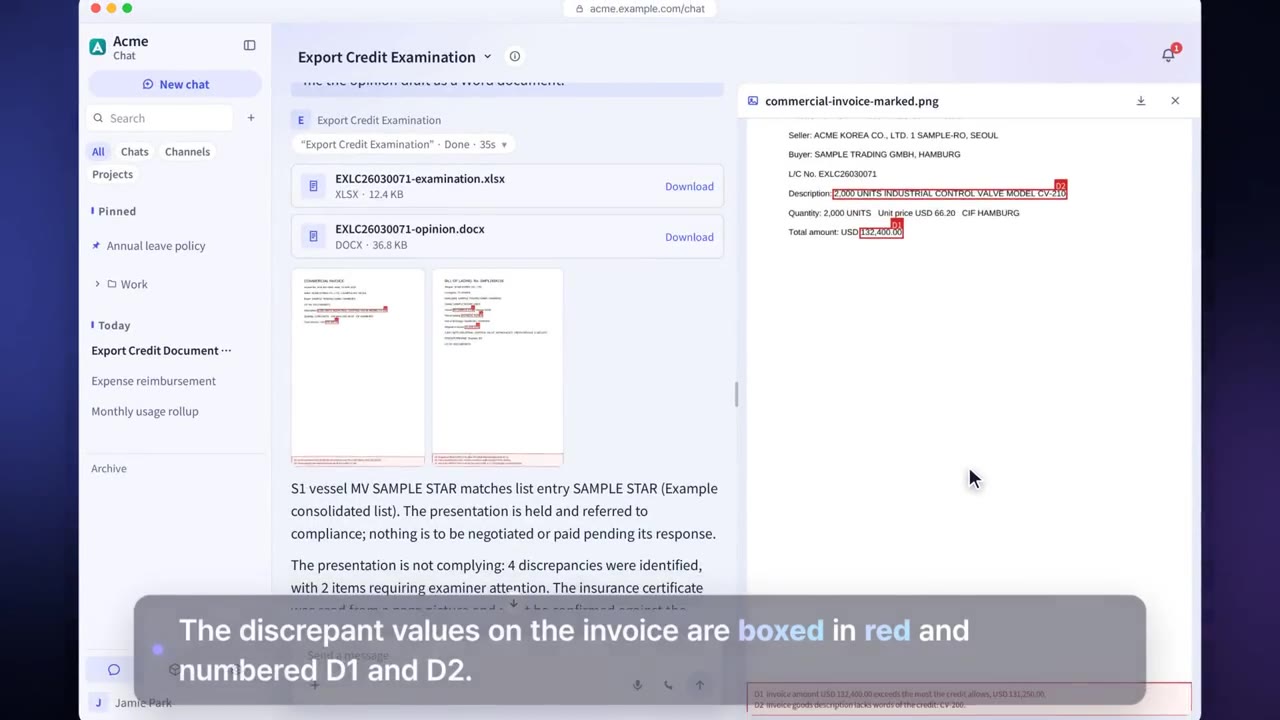
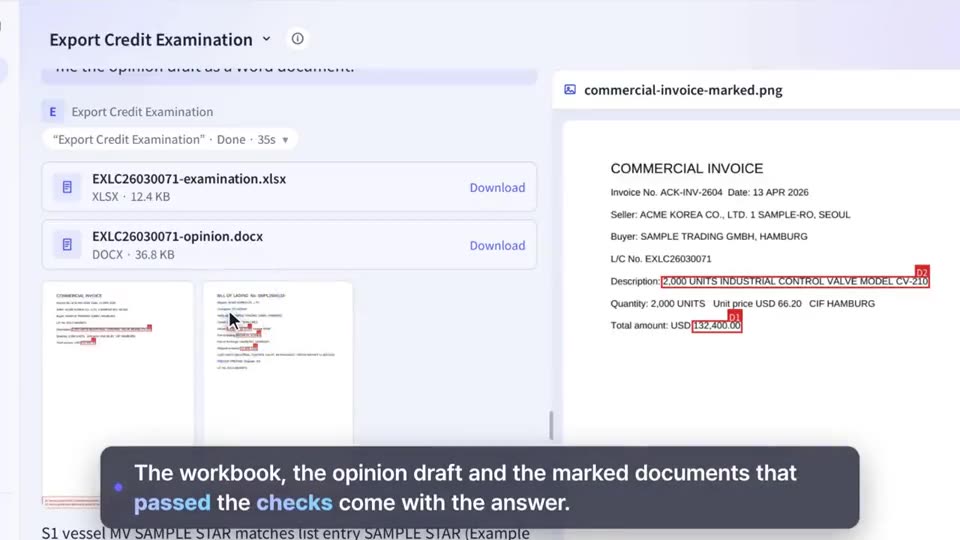
Takes work through to result files and checks it again
Adapt any of the 17 harness templates. Before results are handed over, figures are recalculated from the original data.
Shares individual AI workflows across the organization
Use an isolated work environment from chat, with no command line, and share the harnesses you build with your team or organization.
Uses documents, data, relations and terms together
Answers are based on 38 document sources, connections to 10 databases, the knowledge graph and the glossary.
Extends and manages the agents you already use
External AI apps and in-house agents use company data within each user's permissions, under the same security rules and logging. They connect only after an administrator turns this on.
Applies one policy to all AI use
Employee chat, 11 coding tools and company system connections all get the same allowed models, limits and logging.
Masks personal data in Korean formats
Finds and masks 13 types, including resident registration numbers. Values replaced with pseudonyms appear in their original form only on the screen of the person who asked.
Classifies documents by Korean security levels
When an administrator turns it on, documents are classified as Classified, Sensitive or Open, and repeated violations lead to a temporary pause.
Shows when a record has been altered
Records are linked to one another for protection and checked against the values sent to your company's security monitoring system.
Exchanges your company glossary in standard formats
Imports the term dictionary from your data standards team and exports it in standard formats.
Reads and writes Hangul (HWP/HWPX) documents
Uses Hangul (HWP/HWPX) documents in search and returns results as Hangul files.
Installs on air-gapped networks and runs on in-house models
Verified to work, from installation to document search and conversations, in an environment where external connections are blocked.
Runs several organizations from one screen
Each organization has its own database, and a group company or distributor manages them together in the operator console.
Features of other approaches are based on information vendors have published, and may vary by product.
See it with
your own documents
In a consultation, we connect a few of your documents so you can check the answer quality for yourself. Send us your questions and our team will get back to you.